Camera shots
Extreme long shot (ELS): to show distance, scale to give the
audience a sense of location e.g.; extreme long shot over London in the film 28
days later, shows the audience how derelict the areas.

Longshot (LS): life size e.g. a shot of a person would have
the whole person in shot, head and feet. this longshot from "28 days later" shows how the man is totally alone, it also shows how small he is in comparison to the rest of the landscape.

Mid shot (MS): figure from knees or waist up, usually used
for dialogue shots.
Medium close up (MCU): shows the face clearly, halfway between
mid-shot and close up.

Close up: shows very little background either a face or
detail of the mise-en-scene. This is an exaple of a close up from the Black swan, this close up allows the audience to see the unusual details on the face, as the girl is turning into a swan.


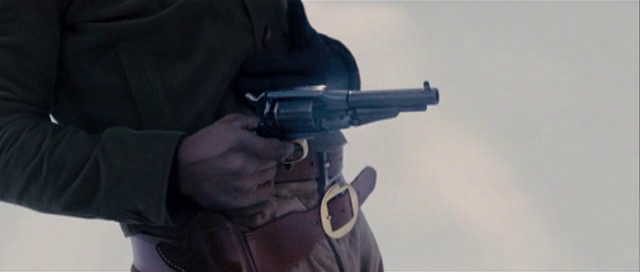
Cut away (CA): shot between action e.g. during a car chase a
cut away to a conversation. Adds additional information and helps during
editing. this cutaway shot from Django unchained shows additional information, that the man is prepared to fight and has a weapon ready, this is effective because this allows the director to still use a mid shot or close up on the face to create tension.

Noddy shot: Common in interviews, usually the subject is
filmed OSS or one shots for the entire interview noddies are edited in to show
the interviewers reactions. This is a noddy shot from a news program, it has been used to show the reaction of the host after he has been in an interview.

Framing: Framing is what you chose to include in the shot, for example in an action scene the camera may only focus on one person rather than a whole group. this is an example of the use of framing in Django unchained, the shot picks out the man being shot off his horse, this is effective because otherwise the whole field would have been in the frame and the audience may have missed the action.
![]()


Framing: Framing is what you chose to include in the shot, for example in an action scene the camera may only focus on one person rather than a whole group. this is an example of the use of framing in Django unchained, the shot picks out the man being shot off his horse, this is effective because otherwise the whole field would have been in the frame and the audience may have missed the action.


Good use of visuals here.
ReplyDeleteYet to post: (I know you've yet to cover some of this with me in catch up)
• 4 analysis essays
• Soundtrack explorations
• Preliminary planning and evaluation
• Openings task
• Psycho shower scene analysis
• Subgenres and audiences task
• Summer Bridging Task